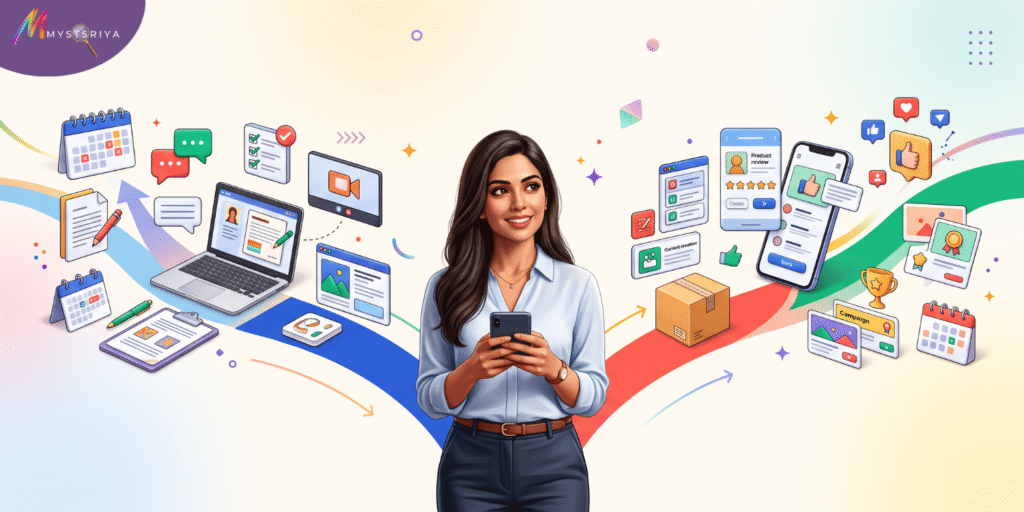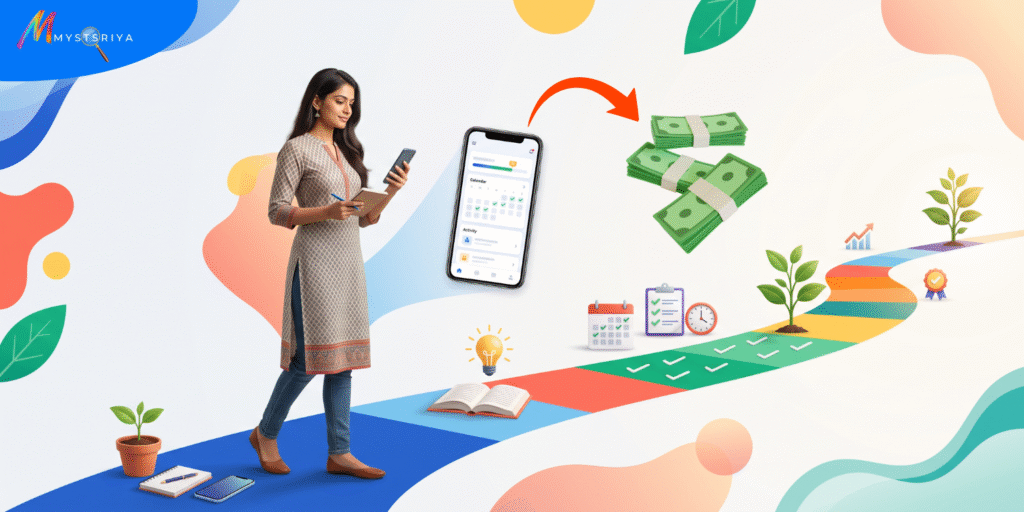

Side income is often misunderstood as a way to earn a little extra cash each month. In reality, side income is far more powerful. It is about choice. Choice over time, work, career direction, and financial security.
From working closely with professionals, women navigating career breaks, and individuals exploring flexible work options, one pattern stands out. Side income changes how people think and decide, not just how much they earn.
In today’s uncertain job market, relying on a single income source can feel limiting. Side income reduces that pressure and gives people the ability to plan rather than react.
What Is Side Income?
Side income refers to earnings generated outside a primary job or main responsibility. This can include freelancing, consulting, online businesses, digital products, content creation, teaching, or service-based work.
The purpose of side income is not always to replace a job. In most cases, it exists to create options.
Even a small and consistent side income can help manage emergencies, support learning investments, or provide the confidence to step away from unhealthy work situations without panic.
Why Side Income Is Really About Choice
The real value of side income lies in decision-making power. When income does not depend on a single source, choices become intentional rather than forced.
Side income allows people to:
- Choose flexible working hours
- Upskill or shift careers with lower risk
- Say no to poor opportunities
- Reduce financial dependency
- Think long-term instead of short-term
This sense of control often matters more than the actual amount earned.
Side Income and Women’s Financial Independence
For many women, side income plays a critical role in financial independence. Balancing careers, family responsibilities, caregiving, and career gaps is a common reality. Traditional work structures do not always support this.
Side income helps women earn independently, maintain professional identity during career breaks, and reenter the workforce with renewed confidence. Skill-based and remote opportunities make it possible to start without disrupting existing responsibilities.
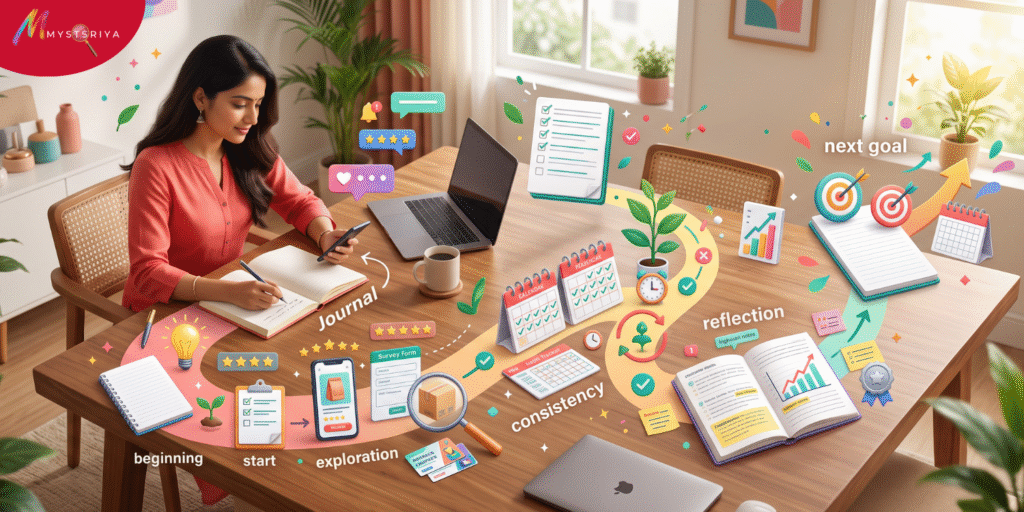
This is where platforms and ecosystems focused on skill discovery and gradual income building become relevant. Instead of pushing quick results, they encourage learning, experimentation, and consistency over time.
Skills Matter More Than Capital
Modern side income opportunities are driven by skills, not heavy investment. Writing, teaching, research, marketing, consulting, organization, and communication skills are all highly monetizable today.
This makes side income accessible to students, working professionals, homemakers, and career returnees. The challenge is rarely money. It is clarity, patience, and having the right environment to start.
Spaces like Mystsriya are emerging to support this exact phase. They focus on helping individuals identify usable skills, explore realistic side income paths, and grow at a pace that fits real life. Not as a shortcut, but as a structured starting point.
Long-Term Benefits of Side Income
Over time, side income can become a reliable backup or even a primary income source. More importantly, it builds confidence in one’s ability to earn independently.
People with side income often experience less pressure in their main job, make calmer financial decisions, and approach career changes with greater confidence.
Side income builds financial resilience.
Final Thoughts
Side income is not about extra money at the end of the month. It is about control over time, work, and future choices.
For women especially, it is a practical step toward independence and long-term security. A small, consistent start using the skills you already have can create meaningful change.
The key is not to rush, but to begin in the right direction, with clarity and support.